A decade ago, “Indonesian boots” wasn’t a phrase many international boot enthusiasts used. Today it shows up regularly in forums, YouTube reviews, and comparison threads alongside brands from the United States and the United Kingdom that have spent a century building their reputations. That shift didn’t happen through marketing budgets, it happened because the boots themselves earned attention on construction quality and value, one satisfied customer at a time.
A Quiet Rise Nobody Saw Coming
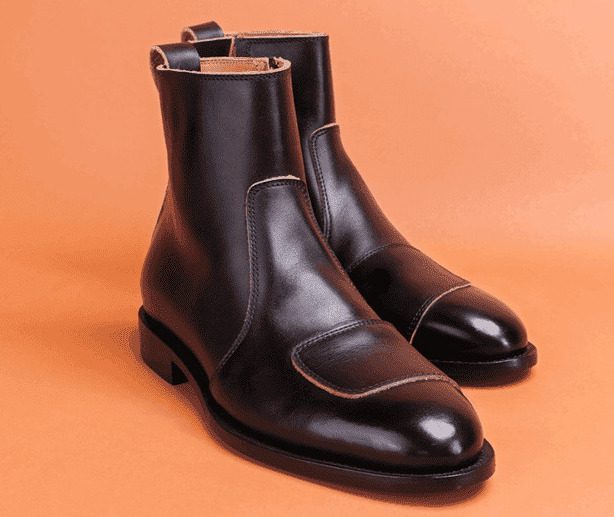
The appeal isn’t complicated once you look closely. Enthusiasts who care about construction, not just looks, have started comparing Indonesian-made boots directly against established heritage names, and the comparisons are increasingly favorable. Full welted construction, resoleable builds, and hand-finished leather, features usually associated with a much higher price bracket, are turning up in boots made in workshops like TXTURE’s, based in Bandung. For a global audience that has grown skeptical of mass production, that combination is genuinely rare.
What Global Boot Enthusiasts Are Noticing
Most of what separates a serious boot from a disposable one comes down to how the upper is attached to the sole. Cemented, or glued, construction is fast and cheap but can’t be repaired once it fails. Welted construction, where the upper, insole, and outsole are stitched together through a welt, allows a boot to be resoled multiple times over its life. It’s slower, it requires real skill, and it’s exactly the kind of labor-intensive process that Bandung’s generations of specialized welt stitchers have quietly kept alive.
The Construction That Makes the Difference
TXTURE builds most of its catalog on Goodyear welt construction, with select styles built using full hand-welting, a more time-consuming method reserved for pieces meant to be treated as long-term investments rather than seasonal purchases. Either way, the goal is the same: a boot that can be resoled, reconditioned, and worn for years rather than discarded after one hard season. That durability is part of what’s fueling international interest in Indonesian bootmaking, buyers are discovering they can get heritage-level construction without the heritage-level price tag attached to older, more established names.
TXTURE’s Welted Approach
None of this happens without real investment in training. A welt stitcher capable of handling premium leather without wasting hide doesn’t develop overnight, and Bandung’s concentration of that specific skill set is arguably the city’s biggest quiet advantage over newer bootmaking hubs elsewhere.
Local Roots, Global Standards
What’s happening in Bandung isn’t really about competing with global brands on marketing, it’s about matching or exceeding them on the one thing that actually matters to a serious boot buyer: how the boot is built. TXTURE is one of the workshops carrying that standard forward, rooted in a specific city and a specific tradition, but built for anyone anywhere who wants boots that hold up to real wear. If local craft with global standards sounds like what you’ve been looking for, TXTURE’s current lineup is worth a look.