Two boots can look identical on a shelf and live completely different lives. One lasts a decade and gets resoled twice. The other peels apart after a rainy season. The thing that decides their fate is usually invisible from the outside: how the sole is attached. Learn this one distinction and you’ll never be fooled by a good-looking boot again.
The glued (cemented) sole
The cheap, fast method is cementing — the sole is bonded to the upper with industrial adhesive. It’s quick to produce, which is why most mass-market footwear uses it. The catch is built in. Adhesive bonds degrade with flexing, moisture, and time. Once that bond gives, the sole flaps, and because there’s no stitch holding things together, a clean repair is rarely worth it. The boot becomes disposable by design. Glued construction isn’t automatically terrible for casual, short-life shoes — but for boots you want to keep, it’s a dead end.
The Goodyear welt
The other approach is the Goodyear welt (and its hand-stitched cousin, handwelting). Here a strip of leather — the welt — is stitched to both the upper and the insole. The outsole is then stitched to the welt. No chemistry holding the boot to the ground, just thread. The payoff is huge:
Resoleable. When the outsole wears, a cobbler removes it and stitches on a new one. The upper is untouched.
More water-resistant. A welted seam, especially with a stormwelt lip, keeps moisture out far better than a glued edge.
More supportive. The cavity between insole and outsole is typically filled with cork that molds to your foot over time.
It costs more and takes longer to build. That’s the trade.
How to spot it yourself
You don’t need to be an expert. Flip the boot and look at the edge where the upper meets the sole. A line of stitching running around the welt is the tell. A perfectly smooth, seamless join with no visible stitch usually means glue. When you can, ask the maker directly — anyone building welted boots will happily tell you, because it’s a selling point.
A real-world example
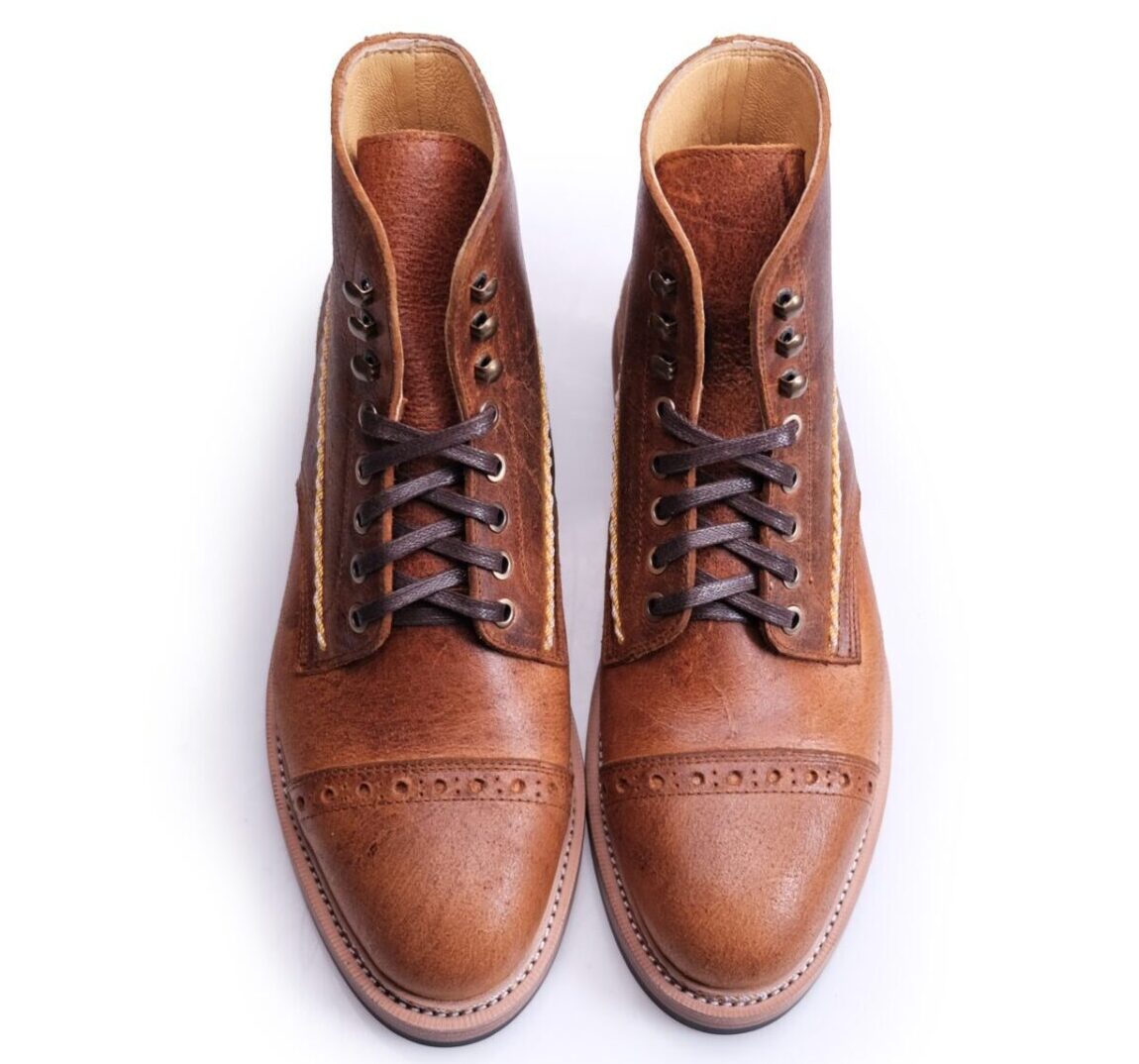
If you want to see welted construction done at strong value, look at makers in Indonesia’s Bandung scene. The Bandung-based bootmaker TXTURE, running since 2009, builds its boots handwelted — many with a 270-degree stormwelt — precisely so they can be resoled and worn for years rather than tossed. It’s a clear illustration of why the method matters once you intend to actually keep a pair.
The bottom line
Glued soles are fine for footwear you expect to replace. For boots you want to wear for a decade, welted construction is the whole ballgame. Spend thirty seconds checking the sole edge before you buy — it’s the single most useful habit a boot buyer can build.